The Citation CJ3 Gen3 Just Flew for the First Time. Here's Why That Matters on This Side of the Pacific.
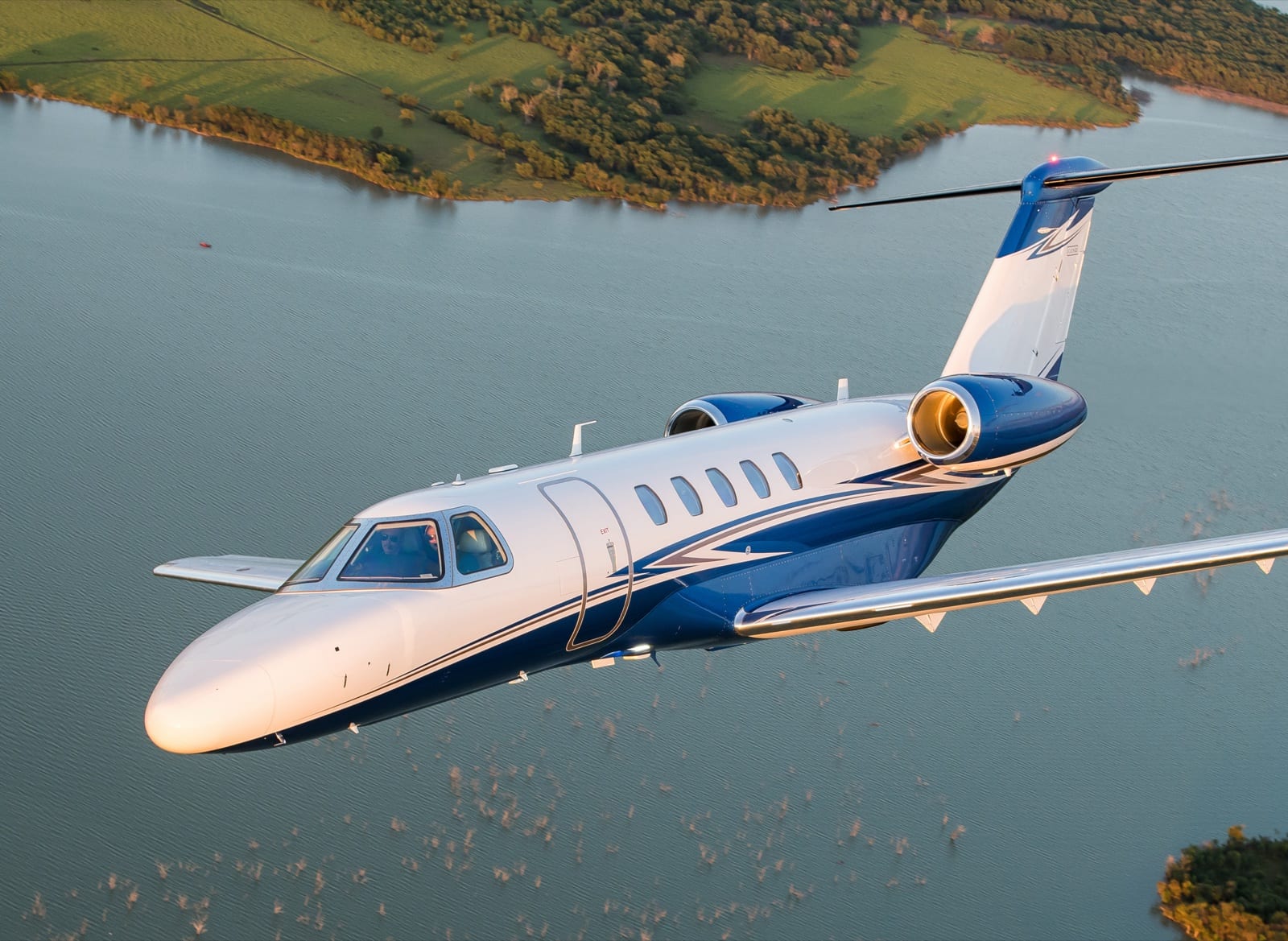
Cessna's Citation CJ3 Gen3 made its first flight at Wichita on 29 July 2026. The full details, and why the next generation of a favourite light jet matters for Australia and Oceania.
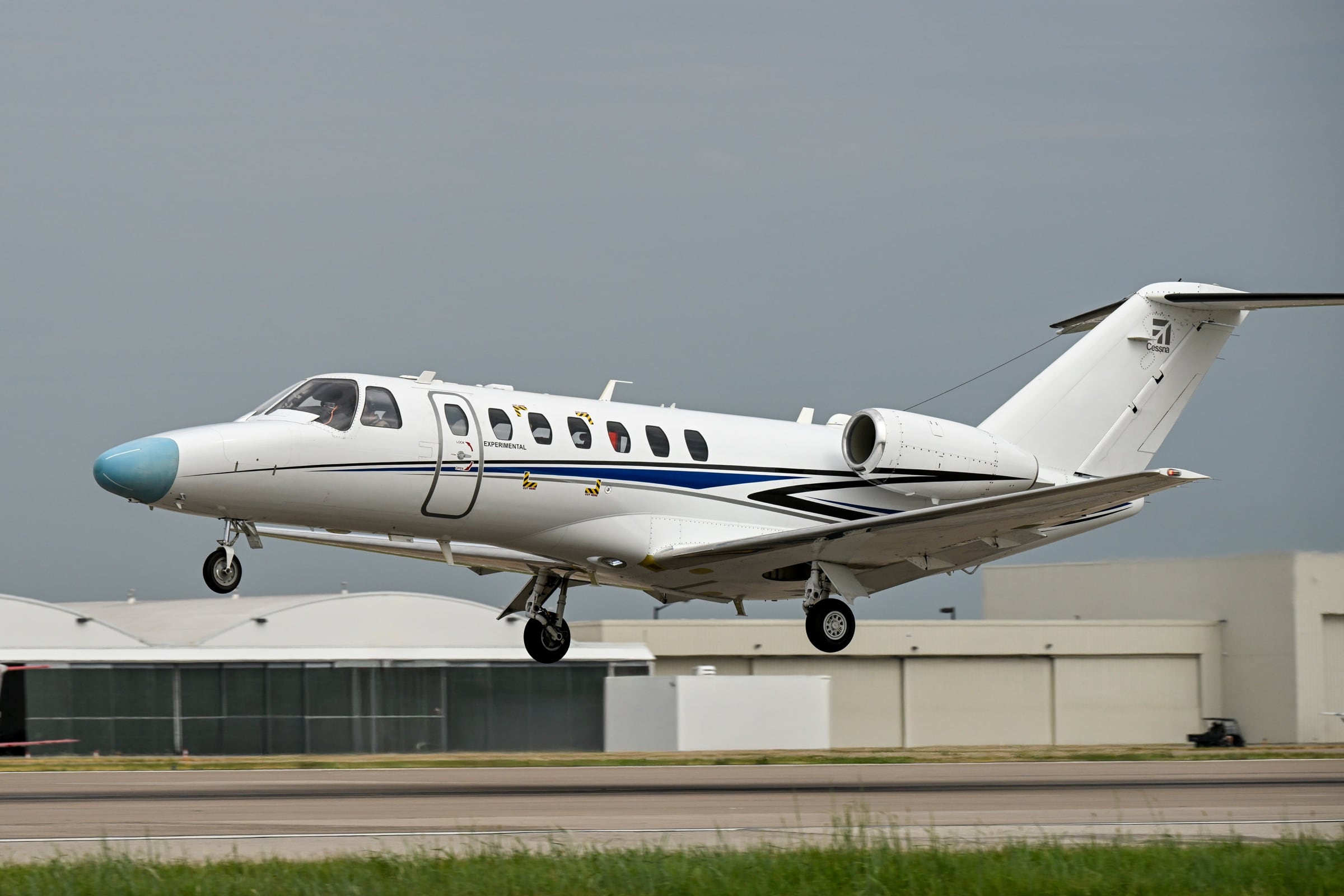
On the morning of 29 July, at Wichita's Eisenhower National Airport, a new Citation lifted off for the first time. Test pilots Steve Helmer and Dave Welbrock took the CJ3 Gen3 to 41,000 feet and 278 knots indicated over a flight of nearly two hours, validating cockpit software and handling along the way. Helmer's verdict afterwards was the kind a manufacturer hopes to publish: “From takeoff to landing, the aircraft demonstrated the handling qualities and system performance we expected.”
First flights are always milestones for the manufacturer. This one deserves attention from anyone who flies light jets in Australia and the Pacific, because the aircraft that just flew is the next generation of one of the most familiar types in our sky.
What the CJ3 Gen3 is
The CJ3 has spent two decades as the sensible heart of the Citation range: a single-pilot light jet with honest range, forgiving field performance and operating economics that built one of the largest light-jet fleets in the world. The Gen3 keeps that formula and modernises everything the pilot and passengers touch.
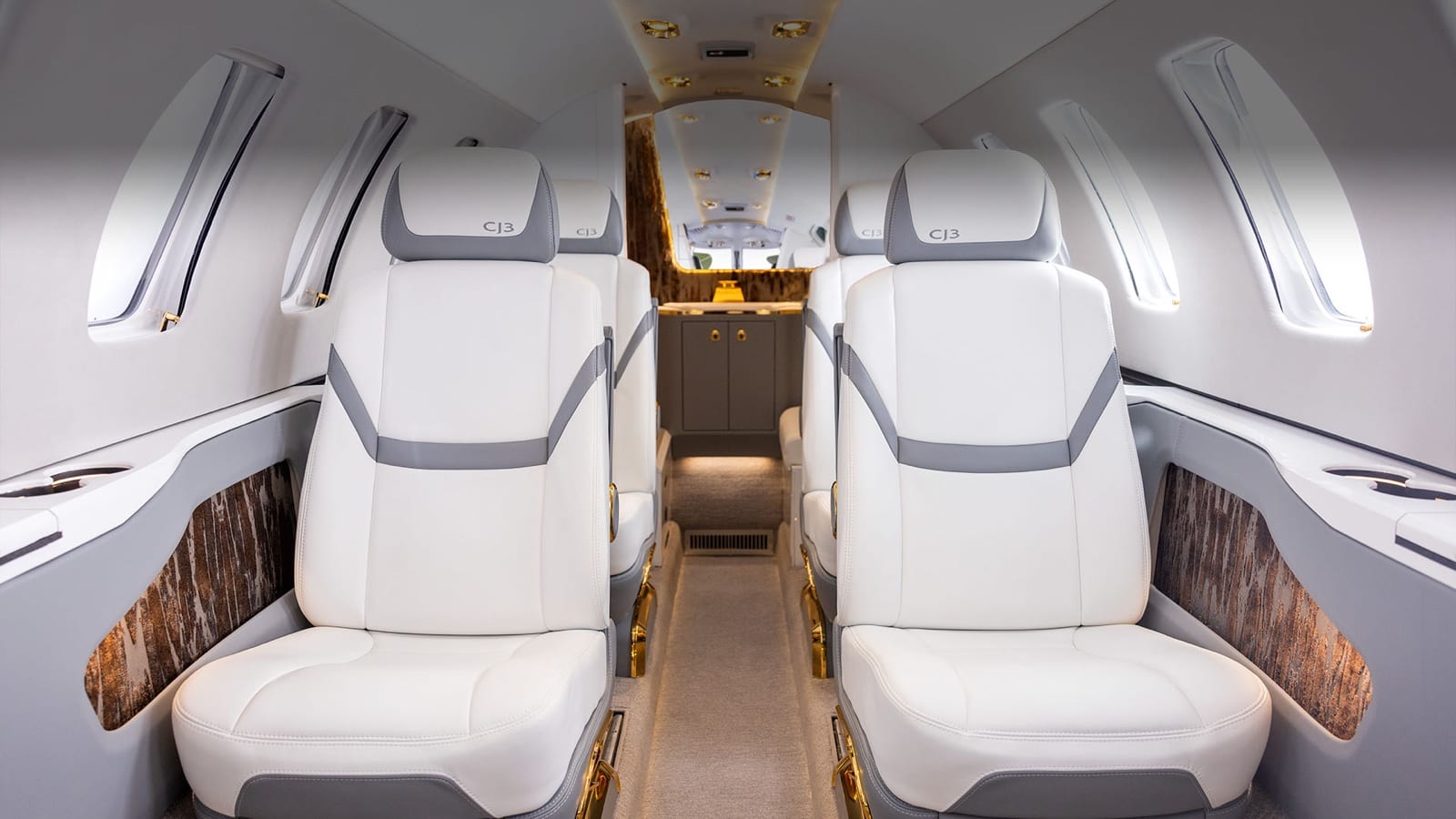
Up front sits Garmin's G3000 flight deck with fully integrated autothrottles and the headline act, Garmin Emergency Autoland, a system that can bring the aircraft to a runway and a complete stop entirely on its own if the pilot becomes incapacitated. Behind the cockpit, Cessna has redrawn the cabin: configurable swivel seating, accent lighting, modern connectivity and a naturally lit lavatory. These are the details that close the gap between a light jet and the categories above it. The essential numbers carry over from a proven airframe: 2,040 nautical miles of maximum range, seating for up to ten occupants, a full 1,000 pounds of baggage, and the strong short-field manners the CJ line is known for.
One programme, three aircraft, and a pattern
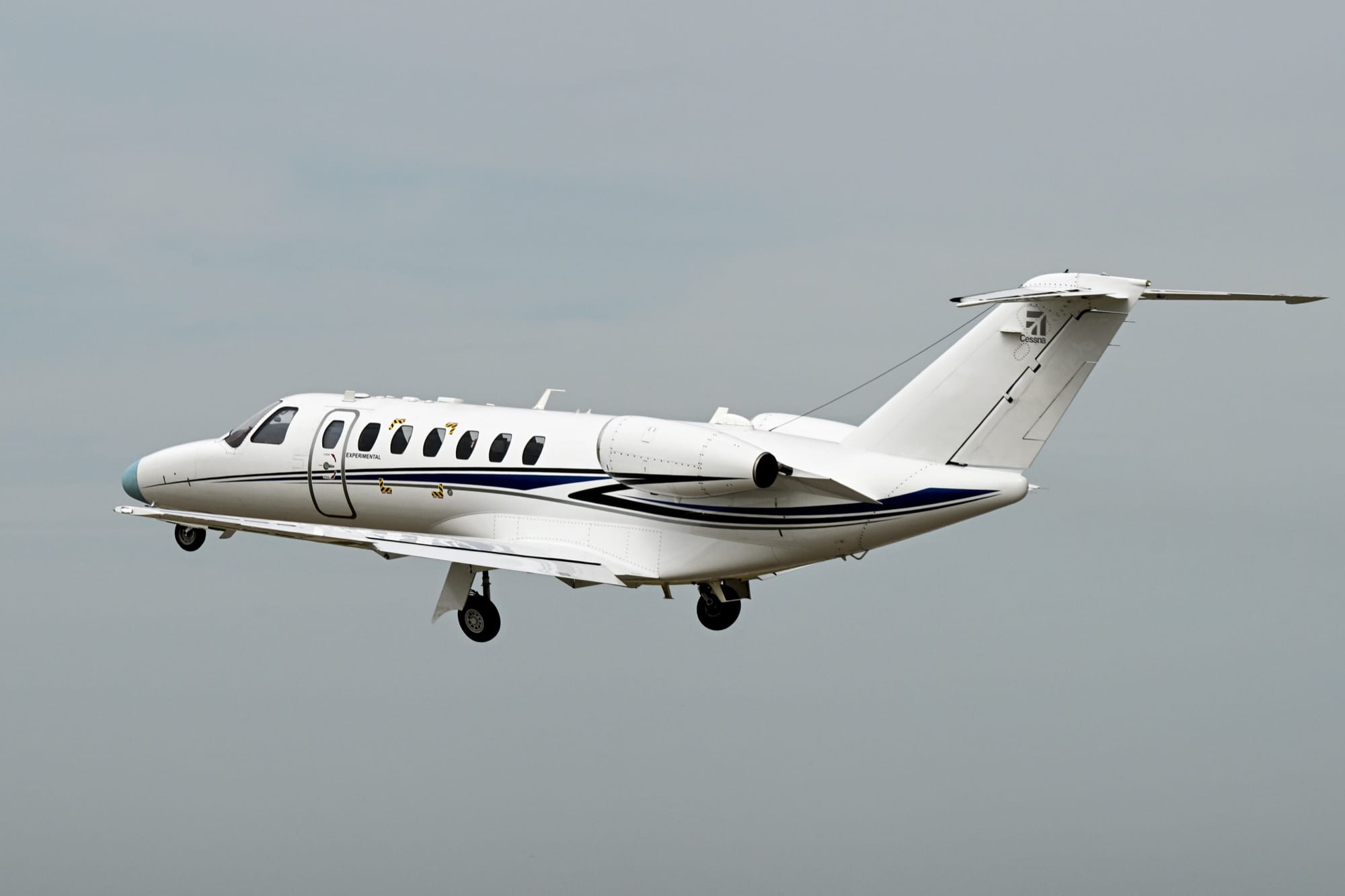
The CJ3 Gen3's flight completes the set. Textron's CJ4 Gen3 has been flying since October 2024, with more than 880 test hours logged across two aircraft and service entry targeted for 2026. The M2 Gen3 flew on 2 June. The CJ3 and M2 are both aimed at 2027. Three light jets, one shared safety philosophy, automation standard across the range.
Notice the wider pattern. A fortnight before Wichita's announcement, Embraer unveiled the Phenom 300EV with Emergency Autoland of its own; we wrote about it at the time. The world's two dominant light-jet makers have now declared, within two weeks of each other, that autonomous emergency landing is simply what a light jet includes. Competition of this kind has a habit of becoming an expectation, and expectations of this kind have a habit of reaching charter fleets quickly.
Why this aircraft suits this region
The geography argues for it. From Australian runways, 2,040 nautical miles is a useful number indeed: every east-coast capital pairing with margin to spare, the Tasman crossed nonstop, and, with sensible planning around winds and reserves, reach that extends across the continent and well into the South Pacific. For the missions Australians actually fly (Sydney to Melbourne on Monday, Brisbane to Auckland on Thursday, the regional strip on Saturday) this is precisely the envelope that matters.
The airfields argue for it. Much of Australia and almost all of the Pacific islands operate from runways that heavy iron cannot use. Field performance has always been the quiet reason the CJ line thrives here, opening regional centres, island strips and mining destinations that turn a day of connections into a single sector. The Gen3 inherits that access and adds the safety net.
The distances argue for Autoland. In Europe, an emergency alternate is rarely more than a few minutes away. Over the Outback, the Tasman or the open Pacific the calculus is different, which makes a system that can independently find a runway, fly the approach, land and stop more meaningful here than almost anywhere it will be sold. Single-pilot operations are also a fact of regional aviation in Oceania. Automation that backstops the single pilot is not a luxury feature in this part of the world; it is a regional insurance policy.
The market agrees. Charter and fractional flying grew seven per cent worldwide in the first half of 2026, with small-cabin jets among the strongest performers, and light jets remain the backbone of Australian private flying. A modernised CJ3 lands squarely in the middle of the region's demand.

What it means if you charter
The Citations you can charter today, the CJ3s and CJ3+s and their stablemates, are unchanged by a first flight in Kansas, and they remain among the region's most dependable value. What changes is the horizon. From 2027, Gen3 aircraft will begin refreshing fleets, and the generational handover will do here what it always does: bring newer airframes into charter service and keep the supply of proven current-generation aircraft healthy. Flexible travellers will recognise the familiar corollary too, because fleet transitions produce movement, and movement produces empty legs.
If a light jet is on your shortlist, whether to charter now or to own when the Gen3 arrives, the useful conversation is about missions rather than model names: your routes, your runways, your passengers, and the right cabin for the journey. That conversation is what we do, it is the whole argument of Broker or Operator, and the CJ3's corner of the market is one we know intimately.
The quiet takeaway
No speed records and no four-zone cabin. Just the world's most proven light-jet formula, re-equipped with a flight deck that can save the day entirely on its own, flying two years ahead of its arrival in our region. The aircraft most likely to be on your quote in 2028 just flew for the first time on Tuesday. That is worth five minutes of anyone's attention.
Questions, answered
What is the Cessna Citation CJ3 Gen3?
The next generation of Cessna's CJ3 light jet, featuring the Garmin G3000 flight deck with fully integrated autothrottles and Garmin Emergency Autoland, plus a redesigned cabin. It made its first flight on 29 July 2026 and is targeted for availability in 2027.
When did the CJ3 Gen3 first fly?
On 29 July 2026, from Wichita's Eisenhower National Airport. The flight of nearly two hours reached 41,000 feet and 278 knots indicated airspeed, validating cockpit software and handling.
How far can the CJ3 Gen3 fly?
Maximum range is 2,040 nautical miles: enough to link every Australian east-coast capital with ease, cross the Tasman nonstop, and reach into the South Pacific with appropriate planning.
Does the CJ3 Gen3 have Autoland?
Yes. Garmin Emergency Autoland can land the aircraft automatically if the pilot is incapacitated. All three of Cessna's Gen3 light jets (M2, CJ3 and CJ4) carry the system, and it has particular relevance to the long, remote sectors flown in Australia and Oceania.
Can you charter a Citation CJ3 in Australia?
Yes. The CJ3 family is a familiar type in the Australian and New Zealand charter market, well suited to east-coast, trans-Tasman and regional flying. Gen3 aircraft are expected to begin reaching fleets from 2027.
How many passengers does the CJ3 Gen3 seat?
Up to ten occupants, with typical charter configurations seating six to eight in comfort, plus a generous 1,000 pounds of baggage capacity.
Fly with JETPAX
Bespoke private charter, arranged in a single call — the aircraft, the crew and every detail of the flight.
Make an enquiryKeep reading