The Right Cabin for the Journey
From light jets to ultra-long-range cabins — how to match the aircraft to the trip, and why it changes the experience more than the badge does.
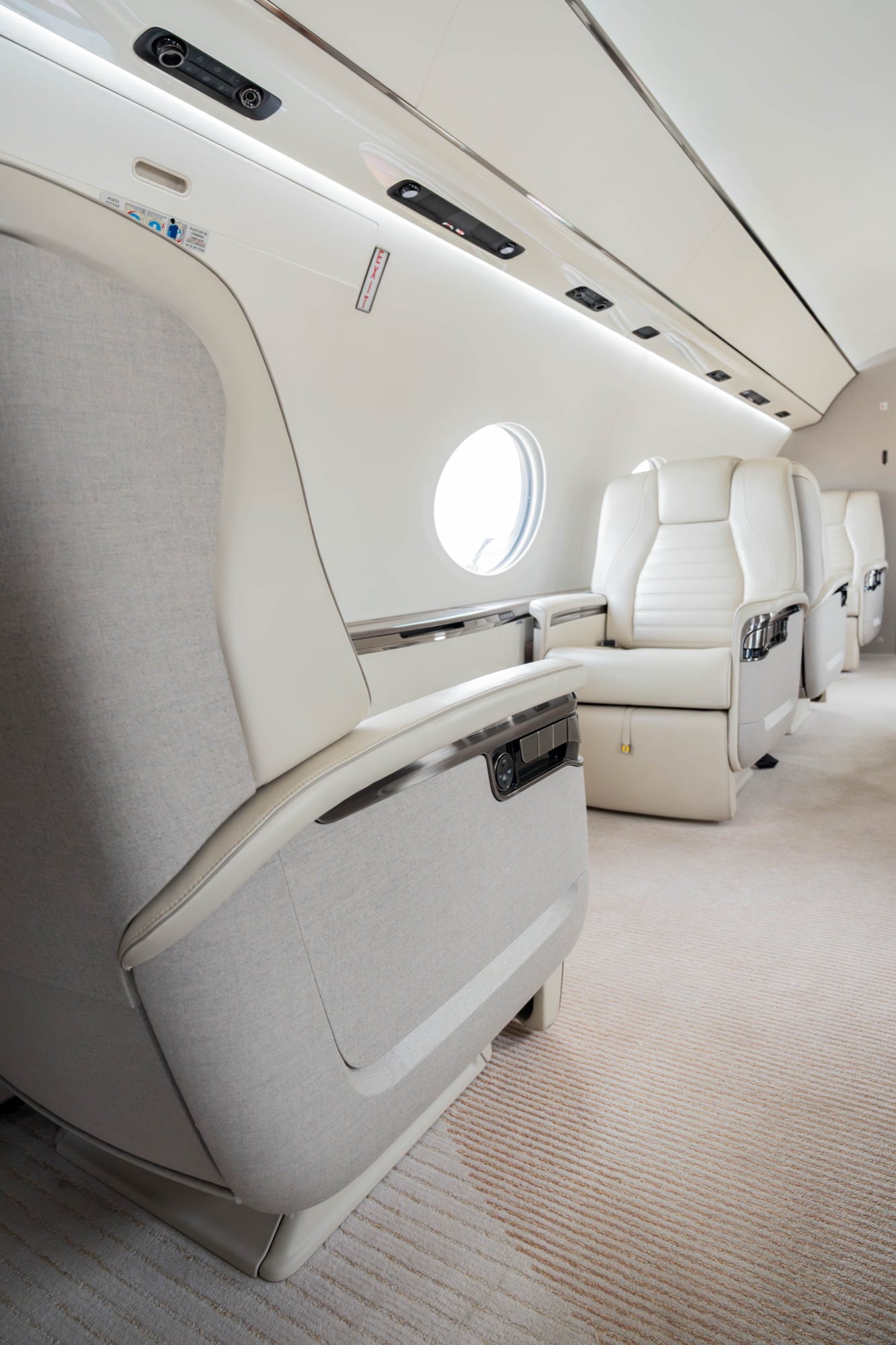
The most common mistake in private travel is to fixate on the aircraft and forget the journey. A celebrated long-range jet is wasted money on a forty-minute hop, and a nimble light jet is a poor companion across an ocean. The art is in the match — and once you understand the categories, the right answer is usually obvious.
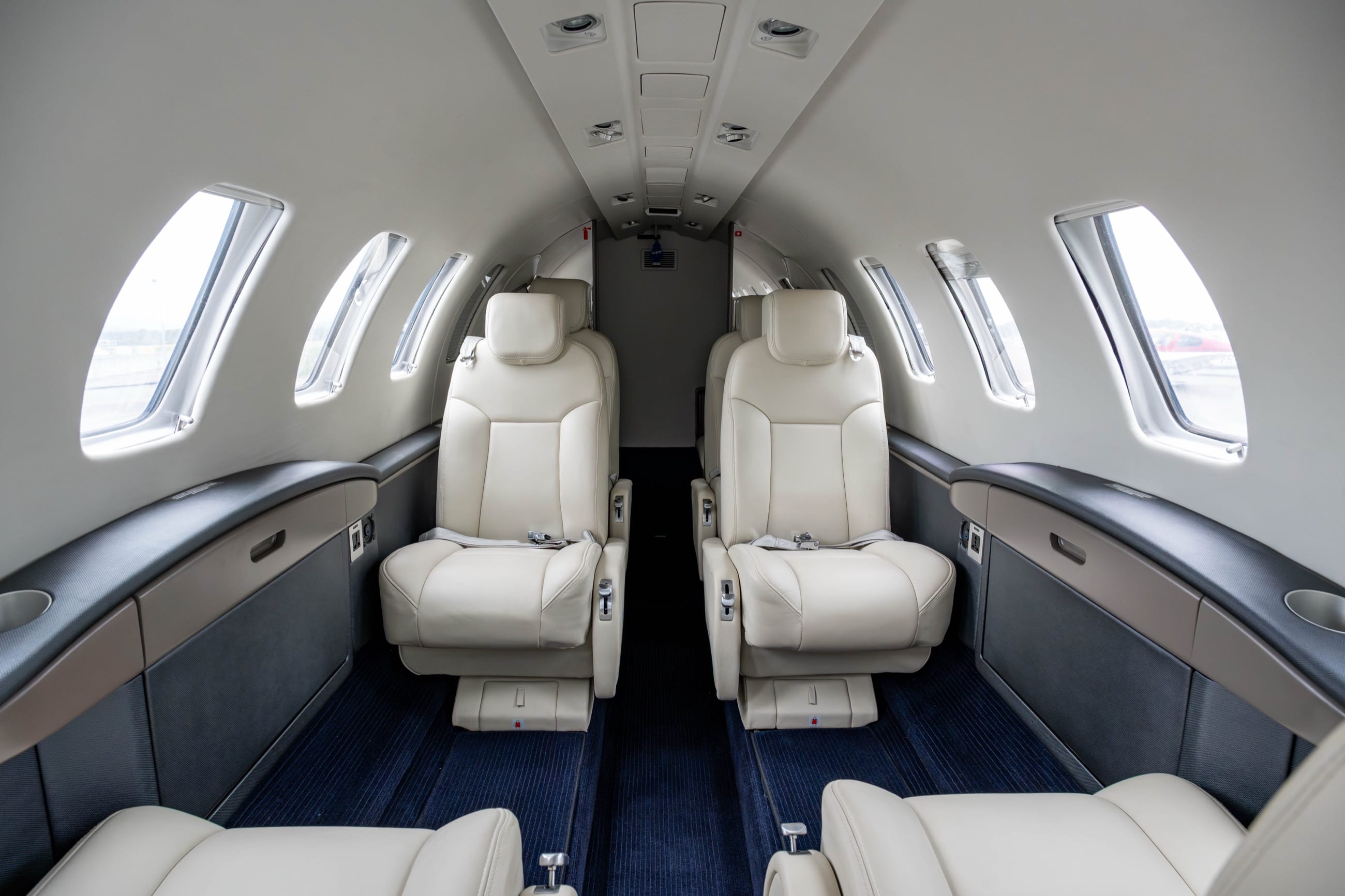
Light jets — the short, sharp run
For trips of a couple of hours and parties of four to seven, a light jet is efficient and quick, with access to smaller runways nearer your destination. You sacrifice a stand-up cabin and a galley, but on a city-to-city dash you will scarcely notice. This is the workhorse of regional private travel.
Midsize and super-midsize — the transcontinental sweet spot
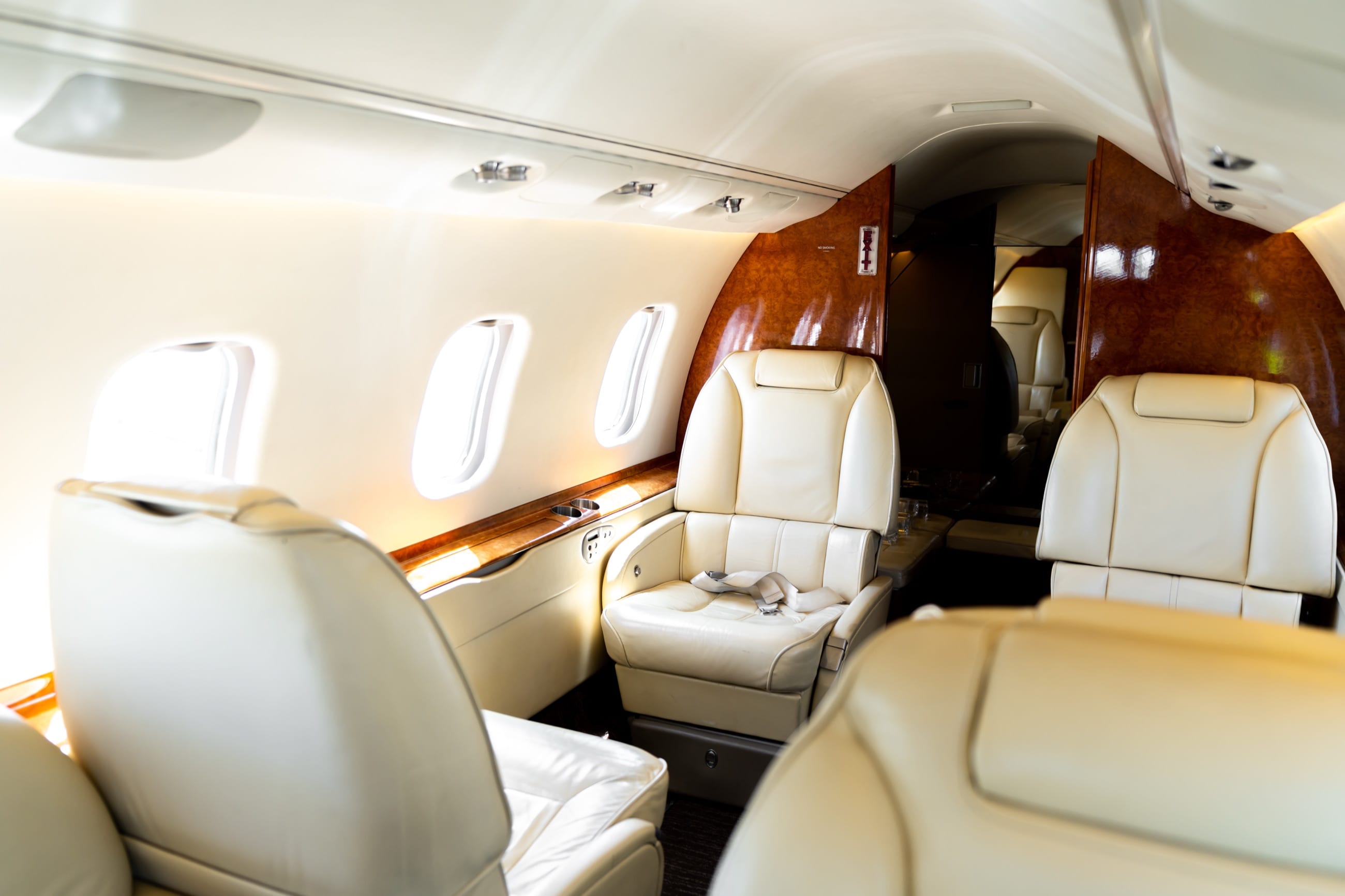
Add a stand-up cabin, a proper galley and a few more seats, and you have the most versatile tier in aviation. Midsize and super-midsize jets cover transcontinental and trans-Tasman distances comfortably, and for a great many clients they are the point at which the experience stops being merely fast and starts being genuinely pleasant.
Heavy and ultra-long-range — the world, non-stop
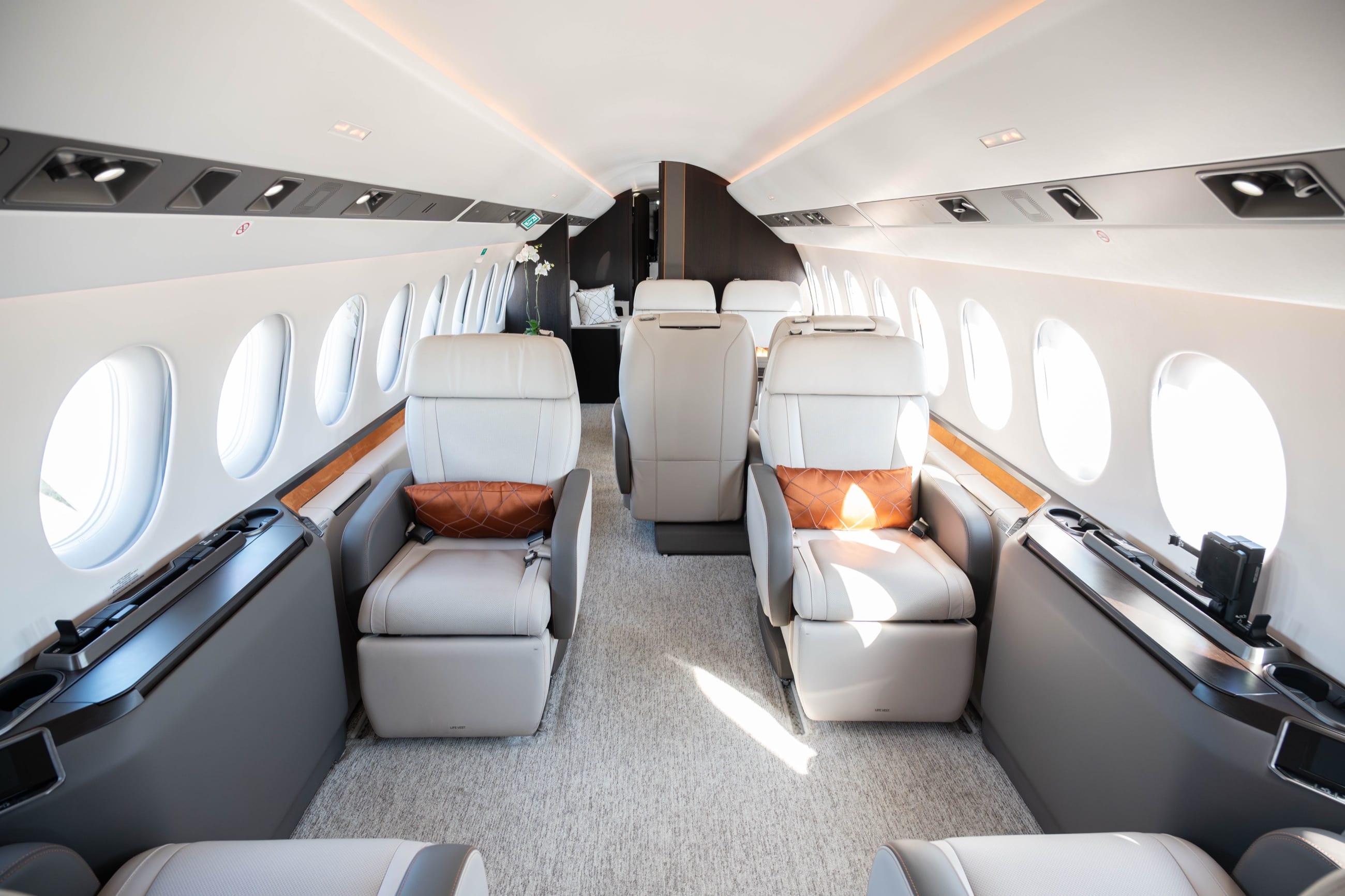
When the journey is intercontinental, the cabin becomes the thing that matters most, because you will be living in it for many hours. Heavy and ultra-long-range jets offer separate living spaces, full galleys, proper beds and the range to cross the planet without stopping. On the longest sectors — Australia to Europe or the Americas — the difference between a capable aircraft and exactly the right one is a full night's sleep on arrival.
The east coast, and across the Tasman
Theory is easier with real sectors. Sydney to Melbourne is a little over an hour in a light jet; Brisbane much the same. For these runs, with two to six aboard, the light jet is close to unarguable — an Embraer Phenom 300E or a Citation CJ3 does the work at over 400 knots, from the smaller fields that put you nearer town. Paying for more cabin on a sector this short buys little beyond the invoice.
The Tasman asks a slightly different question. Sydney to Auckland is about 1,165 nautical miles — around three hours — and comfortably inside a light jet's range. Whether it is inside your patience is the fairer test. Three hours over water is where a midsize cabin, with standing height and an enclosed washroom, begins to repay its premium; for a party of two on a tight schedule, the light jet remains an honest answer.
The long haul west, and the nights beyond
Sydney to Perth is the country's honest examination. The sector runs to roughly 1,770 nautical miles, flown westbound into the prevailing winds, and it sorts the categories cleanly. A super-midsize such as the Challenger 350, with 3,200 nautical miles of range, crosses non-stop in about five hours with margin to spare. A light jet, rated to around 2,000 nautical miles, can be caught out — a full cabin and strong headwinds may force a fuel stop, and the time advantage quietly evaporates on the ground.
Beyond the coastline, the case for the big cabins makes itself. Sydney to Singapore is heavy-jet territory; Sydney to Dubai, at some 6,500 nautical miles, belongs to the newest ultra-long-range aircraft — the Gulfstream G650ER carries 7,500 nautical miles of range, the Global 7500 a little more — flown overnight with a proper bed made up. On sectors like these the aircraft is not transport but accommodation, and it should be chosen the way you would choose a hotel.
The trade-offs nobody advertises
Every step down the categories buys something and costs something, and the costs are better known in advance. A light jet's hold takes soft bags and not a great deal else — golf clubs and skis should be declared when you enquire, not discovered at the aircraft. The cabin is a seated one, so you will stoop to move about, and the lavatory, though private, is compact. None of this matters for ninety minutes. All of it matters for five hours.
Size up and the ledger reverses. A super-midsize offers standing height, a washroom deserving of the word, baggage that stops being a negotiation and a galley that can serve a meal — at a day rate to match. The waste lies at the extremes: paying for intercontinental range on a lunchtime hop, or discovering over the Bight that you needed the bigger cabin after all. The route decides. Let it.
There is a fifth tier above all this — VVIP airliners, commercial aircraft reconfigured for the few — but for most journeys the question is simpler than the catalogue suggests. Tell us the route, the party and the priorities, and the cabin chooses itself. That, in the end, is what a broker is for.
Fly with JETPAX
Bespoke private charter, arranged in a single call — the aircraft, the crew and every detail of the flight.
Make an enquiryKeep reading