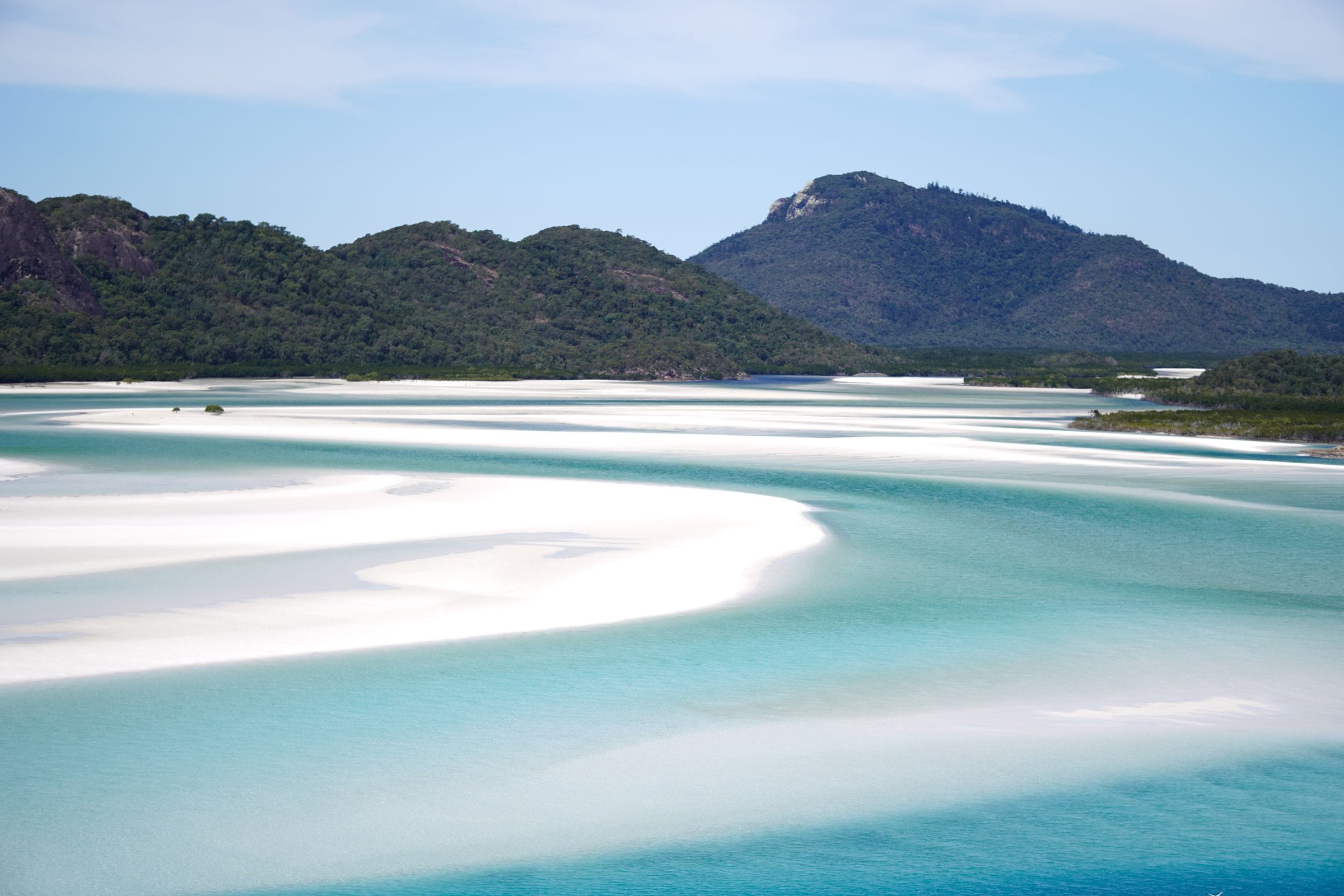
Forty Minutes to the Snow
The southern ski season is open — Thredbo and Perisher run to 5 October, and Queenstown is three hours across the Tasman. A guide to flying privately to the Snowy Mountains, the Victorian Alps and New Zealand this winter.
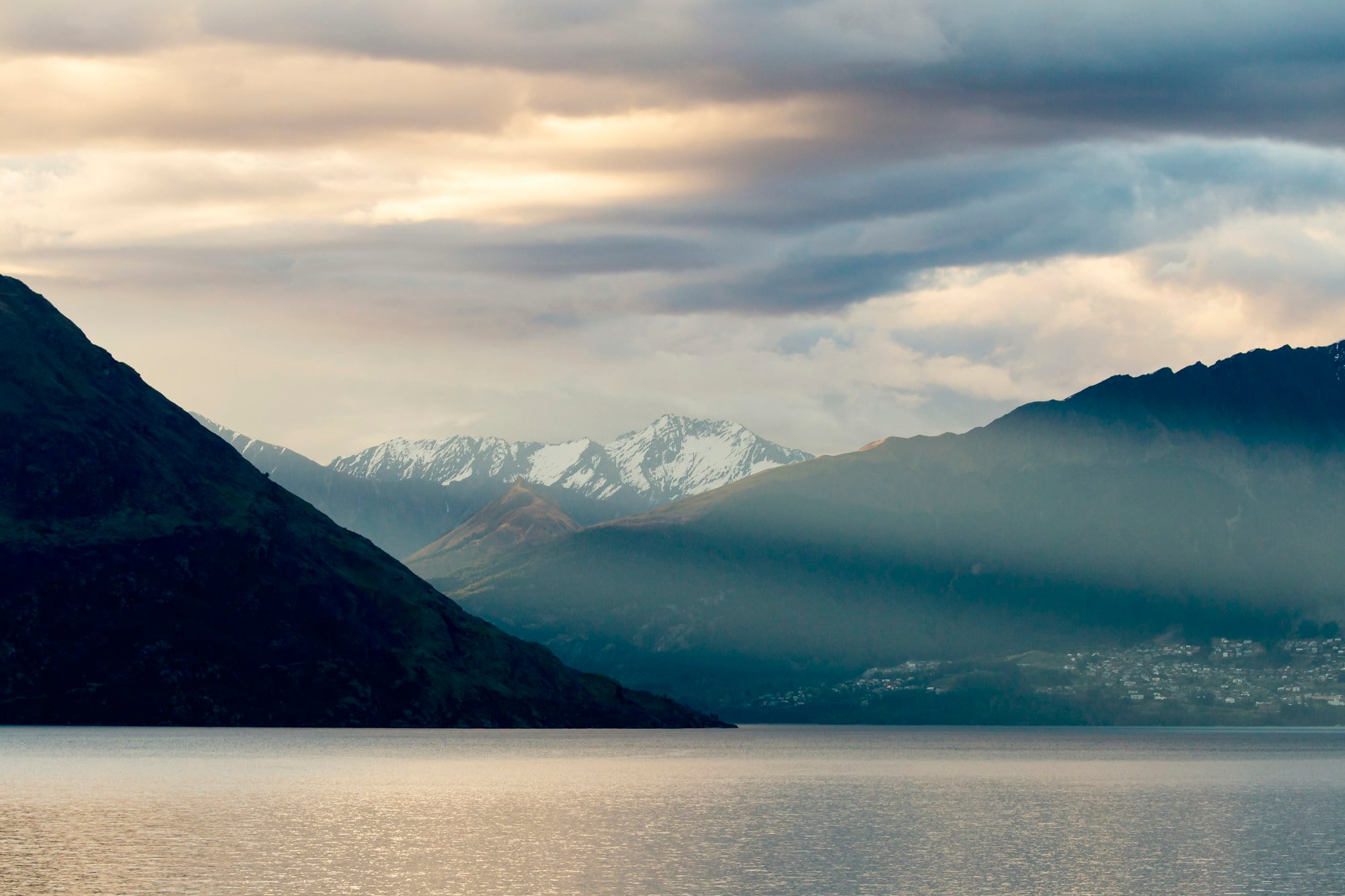
The mountains are where the map fights you
Australia's snow is real, reliable and inconveniently placed. The Snowy Mountains sit hours by road from Sydney; the Victorian Alps, hours from Melbourne — winding hours, chain-bay hours, hours that arrive at the end of a working week. The season itself is generous: the major resorts opened over the June long weekend, and Thredbo's lifts run through to 5 October. What is not generous is the journey, and that is the part private aviation quietly deletes.
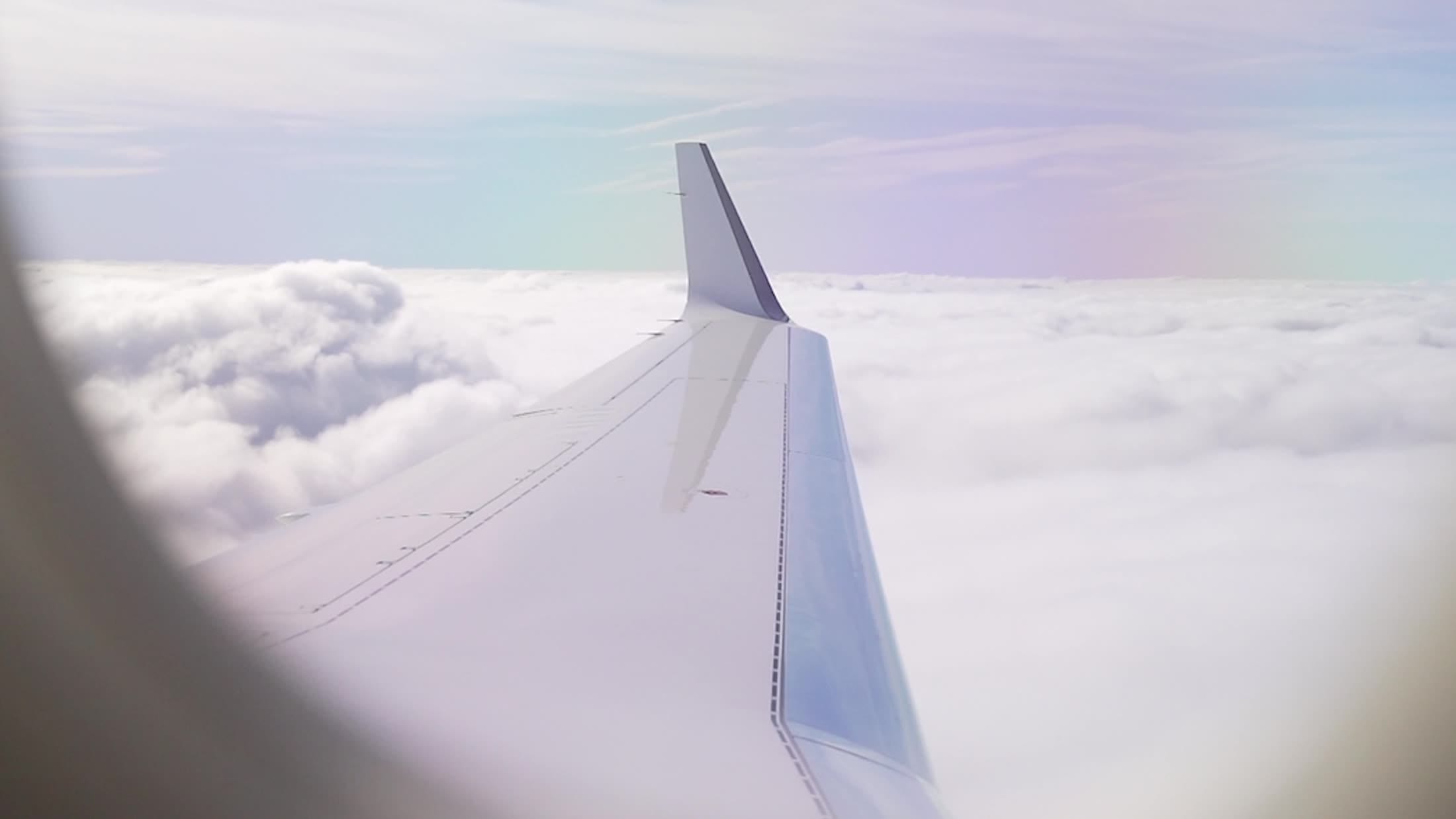
Flown privately, the arithmetic changes character. Cooma — the airport for the NSW snowfields — is roughly 178 nautical miles from Sydney: under forty-five minutes in a light jet or turboprop, and under an hour from Melbourne's Essendon Fields. The weekend stops being a calculation about traffic on the Monaro Highway and becomes a decision about which morning to leave.
The Snowy Mountains, via Cooma
Cooma–Snowy Mountains Airport (OOM) is the front door to Thredbo, Perisher and Jindabyne, and it is better equipped than its size suggests: a sealed 2,120-metre runway at 3,106 feet elevation, comfortably suited to turboprops and light-to-midsize jets. It is a domestic-only field — international guests clear customs at Sydney, Melbourne or Canberra first — and charter arrivals require prior notice, which is precisely the kind of detail a broker handles before you think to ask. One operational quirk worth knowing: no fuel is available on the field, so the aircraft carries what it needs for the return leg. Planned properly, you will never notice.
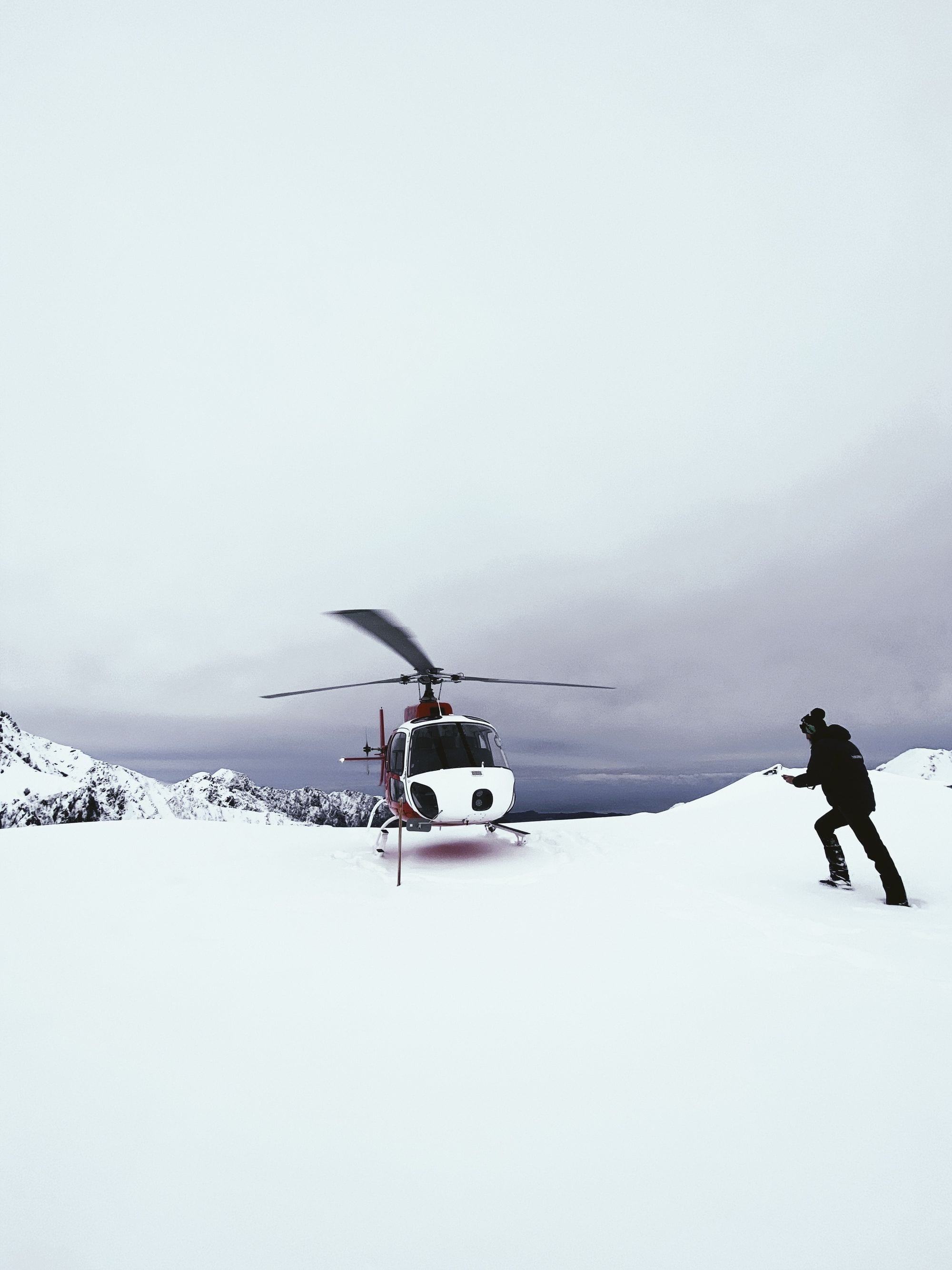
From the apron, the transfer is honest mountain driving: about forty-five minutes to an hour into Jindabyne, and around an hour and a quarter to an hour and a half to the Thredbo or Perisher village. For those who prefer to keep the momentum, helicopter transfers meet flights at Cooma and lift guests to Jindabyne, with the final minutes to the resorts made by shuttle. Either way, a Friday that begins at a Sydney desk can end with first tracks booked for Saturday morning.
The Victorian Alps: landing at altitude
Victoria holds a card no other Australian snow state can play: Mount Hotham Airport, the country's highest certified aerodrome at 4,260 feet, with a sealed 1,460-metre runway sitting on the shoulder of the resort itself. Charter turboprops — King Airs, principally — operate in by prior permission, and the resort's own line is that guests can be on the slopes within thirty minutes of landing. Dinner Plain village is a twelve-kilometre drive. In a country where the snow is usually earned with a long climb by road, landing at altitude feels like a small conjuring trick.
Mount Buller and Falls Creek ask for different routings. Buller has no airfield of its own, so the play is Essendon Fields — Melbourne's dedicated private-jet airport, with full FBO handling — followed by roughly three hours by road, or a helicopter transfer that puts the trip closer to an hour of flying. Note Essendon's curfew: jet movements pause between 11pm and 6am, so late-evening arrivals are planned around it. Falls Creek is best served through Albury, whose 1,900-metre runway takes light and midsize jets easily, leaving a transfer of under two hours to the village.
Queenstown: the Tasman is the easy part
For many Australians, the serious skiing conversation ends in New Zealand, and the flight is shorter than most expect: Sydney to Queenstown is around three hours in a midsize or super-midsize jet, with customs and immigration cleared privately at both ends. We recommend midsize cabins and larger for the crossing — trans-Tasman fuel reserves leave light jets little margin — and crews who know the alpine approach, because Queenstown rewards experience. The airport operates from 7am to 10pm, and after-dark arrivals are reserved for a handful of specially certified airlines, so private movements are planned for daylight. It is a constraint that never troubles a well-built itinerary.
The reward for landing at Frankton is choice. Coronet Peak is twenty minutes from central Queenstown; The Remarkables base, around forty. Wanaka — gateway to Cardrona and Treble Cone — is an hour's drive over the Crown Range, the highest sealed road in New Zealand, and in winter that hour is part of the scenery. Wanaka's own airfield accepts only turboprops, so the jet set lands at Queenstown and drives. Further north, Mt Hutt skiers use Christchurch: a 24-hour international airport with a dedicated private-jet terminal and roughly ninety minutes by road to the mountain. The New Zealand season typically runs from mid-June to early October, snow depending.
Timing, and the quiet economics of winter
Winter compresses demand the way a regatta does: the same school-holiday fortnights, the same fresh-snow weekends, the same handful of mountain-capable aircraft. Availability across the Tasman tightens noticeably around the July school holidays, and the aircraft types that suit Cooma and Queenstown are exactly the categories every other winter traveller wants. Booking ahead is not about price — every JETPAX journey is priced individually, with a firm all-inclusive quote returned promptly — it is about holding your choice of aircraft and your choice of morning.
Winter is also empty-leg season. Aircraft repositioning between the east coast, the mountains and New Zealand release one-way sectors at up to 75% off standard charter pricing — privately negotiated fares on jets already in motion. For a party flexible on dates, a Tasman crossing or a Cooma return on an empty leg is the most considered luxury in Australian aviation. Tell us your window, and we will tell you what is moving.
When the southern lifts stop, the season simply changes hemisphere
The final trick of skiing privately is that the season never really ends. As the Australian and New Zealand fields close in early October, the northern winter opens: Niseko's powder runs roughly December to April, reached through New Chitose's dedicated business-aviation terminal and a two-hour drive into the mountains. The European Alps are served by specialist fields — Chambéry and Geneva for the French resorts, Sion for Verbier — and Aspen receives private jets through its own performance-restricted mountain approach.
A winter built around two hemispheres is a scheduling exercise, and scheduling is the whole of our craft. Share the mountains you have in mind — this season or the next one — and we will put the aircraft, the permissions and the timing quietly in place.
Fly with JETPAX
Bespoke private charter, arranged in a single call — the aircraft, the crew and every detail of the flight.
Make an enquiryKeep reading