What Happens After You Enquire
What actually happens between sending an enquiry and receiving your options — and why the answer is usually a person, not a portal.
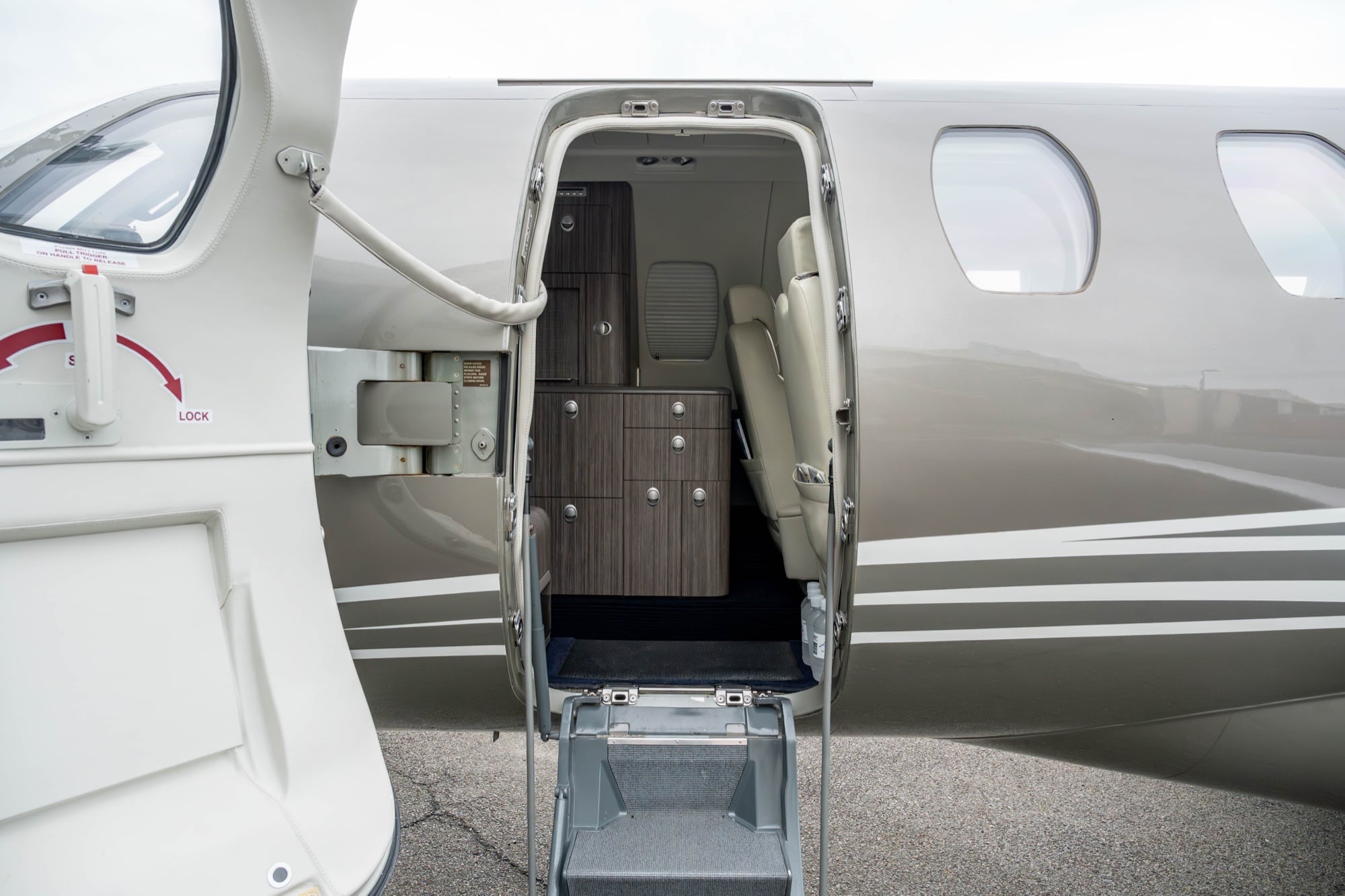
Most private-travel enquiries arrive with the same underlying question: can you do this, and what will it take? What happens after you press send is where a good broker earns its place — and it looks rather different from booking a flight online.
A person, not a portal
The first thing that happens is that a person reads it. Not an algorithm returning the cheapest seat, but someone who understands the brief — the route, the timing, the party, the things you did not think to mention — and who knows which questions to ask before sourcing anything. The aim is to understand the journey before pricing it.
Sourcing, fast
From there we go to the market. Drawing on a network of vetted operators, we identify the aircraft that genuinely fit and return a considered shortlist promptly, with clear, all-in pricing. Where there is a smarter option, such as a repositioning flight at a fraction of the cost, we will surface that too.
What happens once you choose
That first exchange is the start of the work, not the sum of it. Once you settle on an option, we return to the operator and place the aircraft on hold — confirming the specific aircraft, its schedule and its crew against your dates. A quote is an offer; a hold is a commitment. On busy dates the difference matters, because good aircraft are perishable.
The paperwork follows, and it is mercifully brief. A charter agreement sets out the aircraft, the routing, the all-in price and the terms — including what happens if plans move. Payment is normally settled before the flight, by transfer or card, and once funds are confirmed the booking is firm. From enquiry to contracted flight can be a same-day affair; for urgent trips, a matter of hours.
From there the operator takes over the flying side. Crew are assigned within their duty limits, flight plans are filed, and on international sectors the permits and slots are arranged. None of this needs your attention. It is described here only because it is the machinery your booking sets in motion.

The details that make the day
In the hours that follow, the conversation turns from the aircraft to the journey around it. Catering is the obvious example — preferences, allergies, whether you want a full service or simply good coffee — and it is settled in advance, not improvised at the steps. Ground transport is timed to the aircraft rather than to a terminal schedule, at both ends, so the car is where you are, when you are.
What helps is having a few things to hand. Full names exactly as they appear on passports, for the manifest; the passports themselves for anything international, where customs and immigration clear against them; dietary notes; and an honest account of the luggage, including the awkward items — golf clubs, skis, the dog. None of it is needed to get a quote. All of it makes the day itself seamless.
Small preferences travel further than people expect. A child's seat, a favourite newspaper, a particular way you like the cabin set — these are ordinary requests in this industry, made memorable only by being remembered. The time to raise them is before the flight, when they cost nothing.
When plans change
Plans change; for many clients, that is the reason they charter at all. A departure moved by an hour or two is usually absorbed without drama — the aircraft waits for you, not the reverse. A change of day is a re-sourcing exercise, done the same way the first search was done, and the earlier we know, the better the outcome. Busy routes re-source easily; remote ones reward notice.
Occasionally the change comes from the other side. Aircraft are machines, and machines are sometimes withdrawn for technical reasons. When that happens, the obligation is to source an equivalent or better aircraft, quickly and at no premium — and to tell you before you had reason to wonder. The measure of a broker is not that nothing ever moves. It is that nothing that moves comes as a surprise.
Cancellation terms are the one clause worth reading twice. They vary by operator and tighten as departure approaches, and a good broker sets them out in plain language before you sign rather than after you cancel. Ask. You are entitled to a straight answer.
By the time you reply, the difficult part is already done. That is the point of a broker: to absorb the complexity, so that your decision is simply which of a few good options you prefer.
Fly with JETPAX
Bespoke private charter, arranged in a single call — the aircraft, the crew and every detail of the flight.
Make an enquiryKeep reading