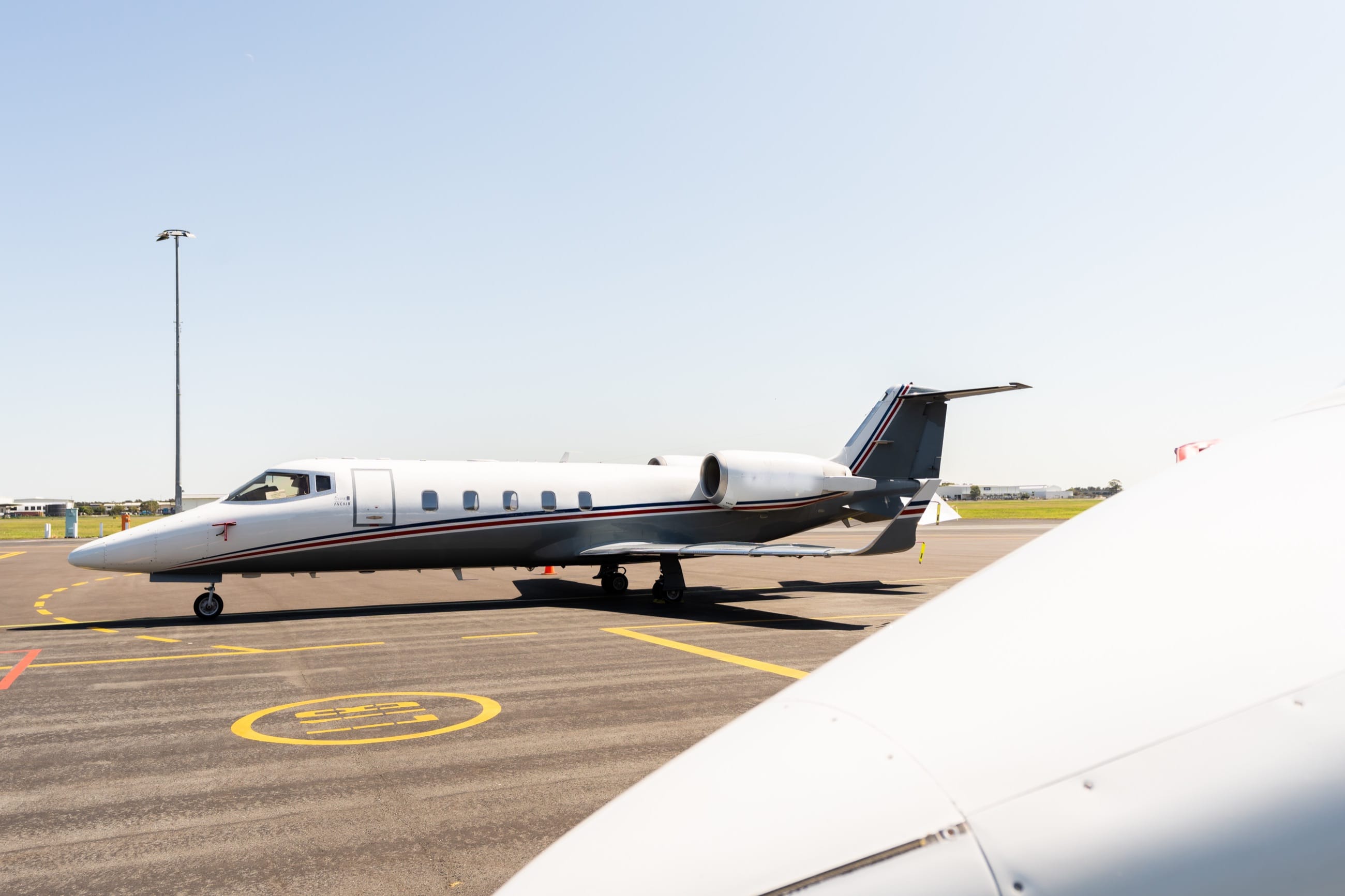
Sustainable Aviation Fuel and the Future of Private Flight
The conversation around private aviation and the environment is a real one. A clear look at SAF — the most credible near-term answer — and where it stands today.
It would be dishonest to write about the future of private flight without addressing its footprint. The industry is under scrutiny, and rightly expects to be — but the conversation is more nuanced than the headlines suggest, and the most credible near-term lever already exists. It is called sustainable aviation fuel.
What SAF actually is
Sustainable aviation fuel is a drop-in replacement for conventional jet fuel, made from renewable feedstocks such as waste oils and agricultural residues rather than crude oil. Crucially, it requires no modification to existing aircraft or engines — the same jets flying today can use it — and over its life cycle it can reduce emissions substantially compared with fossil kerosene.
Where it stands
The honest picture is one of promise constrained by supply. SAF is real, in use and scaling, but production remains limited and it carries a premium. Mechanisms such as book-and-claim let travellers fund SAF into the network even when it is not physically available at their departure airport, and well-run carbon programmes can complement it. The direction of travel is clear, even if the pace is not yet what anyone would like.
Our position
We would rather be useful than fashionable on this. Where SAF can be arranged for a flight, we will arrange it; where offsetting is the right complement, we will set it out plainly, with the trade-offs visible. What we will not do is dress a flight in green language it has not earned. The considered traveller is entitled to ask what can be done — and to a straight answer.
Fly with JETPAX
Bespoke private charter, arranged in a single call — the aircraft, the crew and every detail of the flight.
Make an enquiryKeep reading