Flying Private to Major Events: What the 2026 World Cup Just Taught Us
The biggest World Cup in history doubled as private aviation's sternest logistics exercise in years — WingX forecast more than 73,000 match-day flights across the host cities. What it taught us about event flying, and what it means for Brisbane 2032.
The biggest World Cup in history — 48 teams, 104 matches, 16 host cities — has just ended, and before the confetti was swept from MetLife Stadium (Spain 1, Argentina 0, deep into extra time), private aviation had completed its sternest logistics exercise in years. WingX, the industry's data house, had forecast more than 73,000 related private jet flights across the host cities on match days — nearly 28,000 of them around New York alone — and history set a fearsome benchmark for the final: past World Cup finals have driven host-airport activity to nearly thirteen times normal levels.
Tournaments end; the mechanics don't. The same forces that shaped last month around New York, Dallas and Mexico City will shape Los Angeles in 2028 — and, closer to our Brisbane home, the 2032 Games. Here is what a month of World Cup flying teaches anyone who plans to arrive at a major event the civilised way.
Lesson one: the aircraft is the easy part
Nobody who wanted to fly privately to the World Cup failed to find a jet — choosing the right one is a separate art, and The Right Cabin for the Journey covers it. What ran short was everything around the jet: airport slots, aircraft parking, crew accommodation, ground capacity at secondary fields. Host-city airports imposed slot and parking programmes weeks in advance — for the final, a ten-nautical-mile no-go ring closed the airspace around the stadium, Newark ran a 24-hour prior-permission regime, and Teterboro arrivals had to route through security screening stops at airfields as far out as Philadelphia. Industry planners spent the spring advising latecomers to expect repositioning to airfields an hour or more from the stadium, solving the last mile by helicopter or road.
This is the recurring truth of event aviation, from the Super Bowl to the Monaco Grand Prix: scarcity migrates from the aircraft to the airport. Booking early is not about securing a better aircraft — it's about securing the ground the aircraft needs to stand on.
Lesson two: surge behaves like weather, not like malice
WingX's historical surge factors read like a weather map: group-stage matches lift host-airport activity by half again, semi-finals five-fold, finals nearly thirteen-fold. And like weather, the surge is local and spiky rather than uniform — mid-tournament data showed host-city business jet activity averaging just seven per cent above baseline overall, even as individual match days spiked hard: Seattle roughly doubled for USA–Australia; Mexico City ran at 1.7 times normal for the opener. The storm concentrates on particular airports on particular afternoons.
When that many aircraft converge on one metropolitan area at once, everything about the operation becomes probabilistic: departure windows compress, air traffic programmes meter arrivals, and small disruptions cascade. Travellers who understood this built slack into their plans — arriving the day before, departing the morning after, holding a backup airfield — and had a smooth tournament. Those who scheduled a landing two hours before kick-off discovered that no amount of money buys a second runway.
The professionals' habit is worth copying: treat the event window like a weather system. You don't argue with it; you route around it.
Lesson three: the counterflow is where the value hides
Every surge creates its mirror image. Aircraft that carried supporters into a host city had to leave; aircraft based there had to work elsewhere for the week. Industry planners flagged exactly this ahead of the tournament — repositioning flights out of eliminated cities, at discounts running as deep as any the market offers. Event weeks are, counterintuitively, some of the best hunting for flexible travellers flying away from the spectacle. The same pattern appears every Melbourne Cup and Grand Prix week here at home — our guide to empty leg flights in Australia covers how to catch it: the crowd points one way, and the value points the other.
Lesson four: the itinerary is a system, not a flight
The best event trips last month were not bookings; they were choreography. Arrival slot, ground transfer secured months out, hotel within the security perimeter's logic rather than fighting it, departure slot held for two candidate times, crew rested and positioned for both. One coordinating hand — with visibility across operators rather than loyalty to one fleet — made the difference between a seamless weekend and an expensive improvisation. That, candidly, is the brokerage argument in miniature, and it's why we made it at length in Broker or Operator.
What this means for Australia — and for 2032
Australians already live this cycle annually in miniature: the Melbourne Cup, the Australian Open, the Grand Prix and Grand Final weekend each produce their own small surge, with Essendon Fields and Sydney's corporate aviation precincts standing in for Teterboro. The habits above apply directly, scaled down.
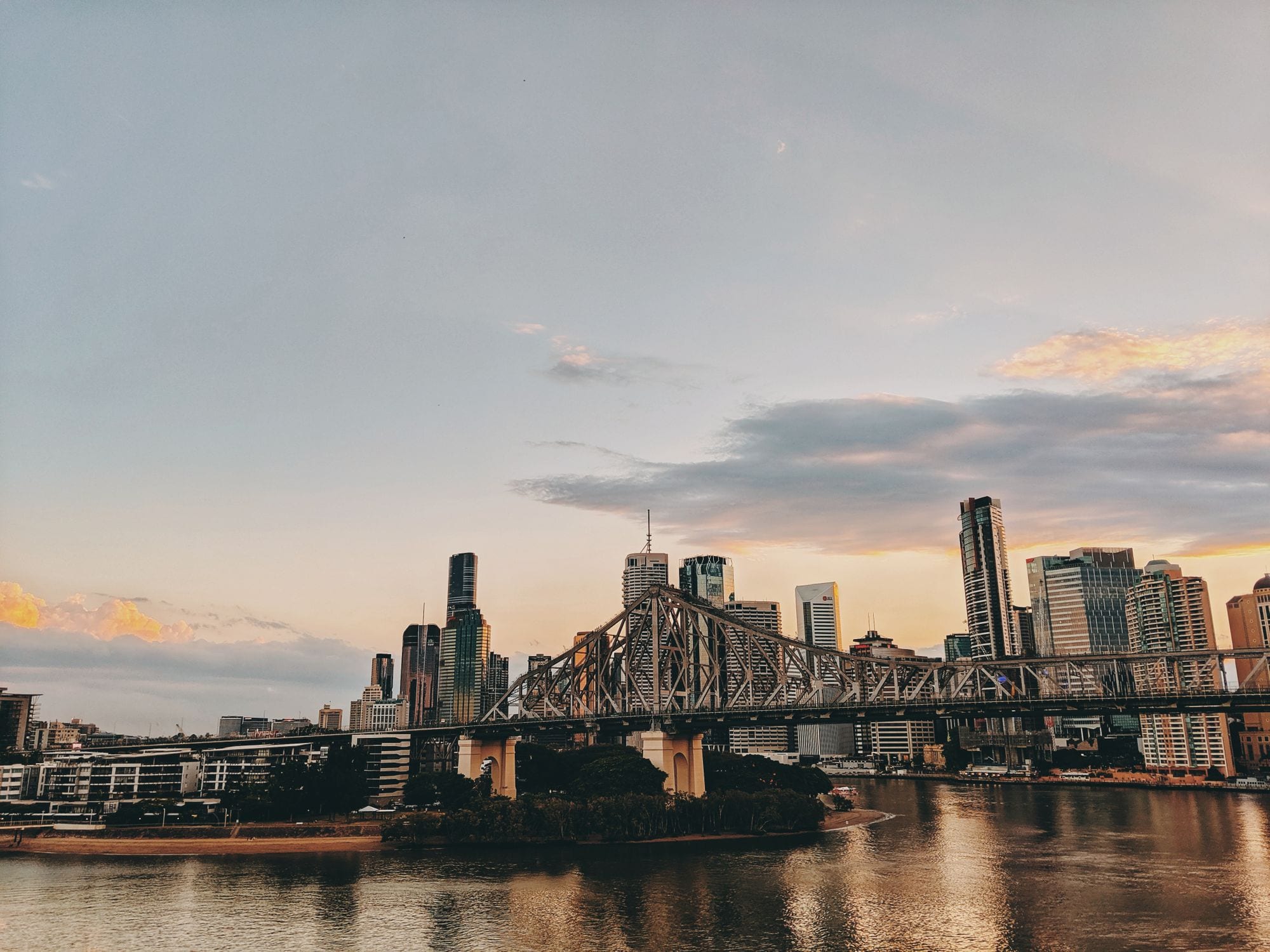
But the reason we watched the World Cup with particular attention sits seven years out. Brisbane 2032 will bring Olympic-scale aviation demand to our home city — slot programmes, parking allocations, temporary airspace restrictions and all. If the 2026 tournament taught anything, it's that the travellers who enjoyed it most were the ones whose arrangements predated the rush by the widest margin. We intend our clients to be exactly those travellers when the Games come south — and being headquartered here, we'll be planning it from the inside.
The quiet takeaway
Major events don't reward spending; they reward sequencing. The aircraft, the slot, the ground, the alternates, the timing — arranged early and held by someone whose job is to hold them. Get the sequence right and the busiest week in aviation feels, from the cabin, like any other flight. Which is rather the point.
Questions, answered
How far in advance should you book a private jet for a major event?
For events on the scale of a World Cup final, Olympics or Grand Prix, arrangements are best made months ahead — not because aircraft run out, but because airport slots, parking and ground logistics do. For recurring Australian events like the Melbourne Cup, weeks ahead is workable; earlier is always calmer.
Can you fly a private jet directly to a major sporting event?
Almost never to the venue itself. Host cities designate business aviation airports with slot and parking programmes, and temporary airspace restrictions often apply — the 2026 final closed a ten-nautical-mile ring to general aviation. The practical question is which airfield, which arrival window, and how the last kilometres are covered.
Do private jet flights increase around events like the World Cup?
Substantially, though unevenly. WingX forecast more than 73,000 related private flights across host cities on match days in 2026, and past World Cup finals have driven host-airport activity to nearly 13 times normal — while quieter group-stage days run much closer to baseline.
Will the Brisbane 2032 Olympics affect private aviation in Australia?
Yes — expect slot management, parking allocation and airspace measures around South East Queensland during the Games, consistent with every recent Olympic host city. Early planning will matter more than it ever has in the Australian market.
Are empty leg flights more common during event weeks?
Often, yes. The surge of one-way traffic into an event city produces repositioning flights out of it — frequently on unusual routes. Flexible travellers can find exceptional value in the counterflow; see our guide to empty leg flights in Australia.
Fly with JETPAX
Bespoke private charter, arranged in a single call — the aircraft, the crew and every detail of the flight.
Make an enquiryKeep reading